
Takeaways
- While traditional asphalt shingles average 12 to 20 years in Washington’s damp climate, a premium metal roof easily lasts 50 to 100 years.
- Unlike porous shingles that trap moisture and encourage moss, lichen, and algae growth, metal’s smooth, non-porous surface stays entirely moss-free.
- Interlocking metal panels provide superior protection against Western Washington’s relentless rains, heavy Cascades snow loads, and severe seasonal windstorms.
- Metal roofs slash summer cooling bills by reflecting solar radiation, boost home equity, and are 100% recyclable at the end of their long life.
If you look around neighborhoods from Seattle and Bellevue to Tacoma and Spokane, you’ll notice a shift happening overhead. The traditional sea of grey asphalt shingles is steadily giving way to sleek, modern metal roofing.
Washington homeowners are making the switch in record numbers, and they aren’t just chasing a high-end, contemporary aesthetic. In the moisture-heavy climate of the Pacific Northwest, a roof has to work harder than almost anywhere else in the country. Traditional materials are increasingly falling short under the weight of our regional weather challenges, prompting property owners to look for a permanent solution. Here is a look at the reasons Washingtonians are choosing metal for their forever homes.
1. Outlasting the Relentless PNW Moisture
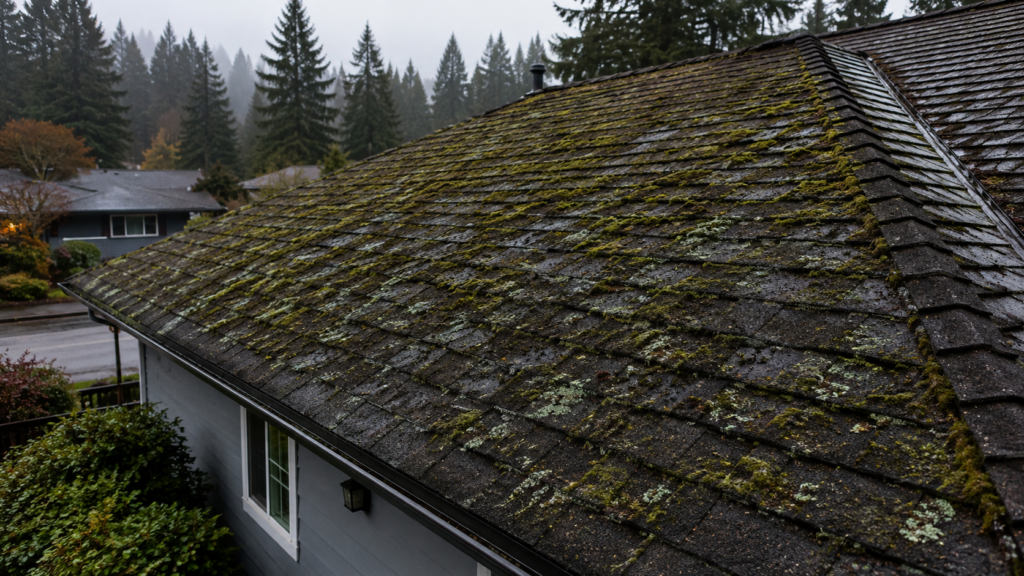
In Washington, rain is our signature backdrop. From the persistent winter drizzle of the Puget Sound to heavy snow accumulation in mountain communities like Snoqualmie, our roofs endure a near-constant state of dampness.
The Failure of Asphalt Shingles
Asphalt shingles feature a granular, porous surface. Over years of heavy rainfall, those granules slowly wash away, leaving the underlying petroleum-based material exposed. Water settles into these pores, creating a perfect, permanently damp breeding ground for the region’s most notorious roof killers: moss and algae. Once moss takes root, it lifts the shingles, warps the edges, and rots out the plywood decking beneath.
The Metal Advantage
Metal roofing completely sidesteps the havoc caused by moisture. Because materials like aluminum and copper are completely inorganic and non-porous, they absorb zero water.
- Natural Debris Shedding: Rain, snow, and pine needles simply slide right off the smooth finish.
- Zero Moss Growth: Without a porous surface to cling to or organic matter to feed on, moss and algae cannot establish a foothold. You can permanently retire the roof scraper and eliminate the need for annual chemical treatments.
- No Rot or Pests: Metal will never rot, warp, or invite wood-boring pests like carpenter ants that thrive in damp PNW structures.

2. Weatherproof Engineering Against Winds, Snow, and Fire
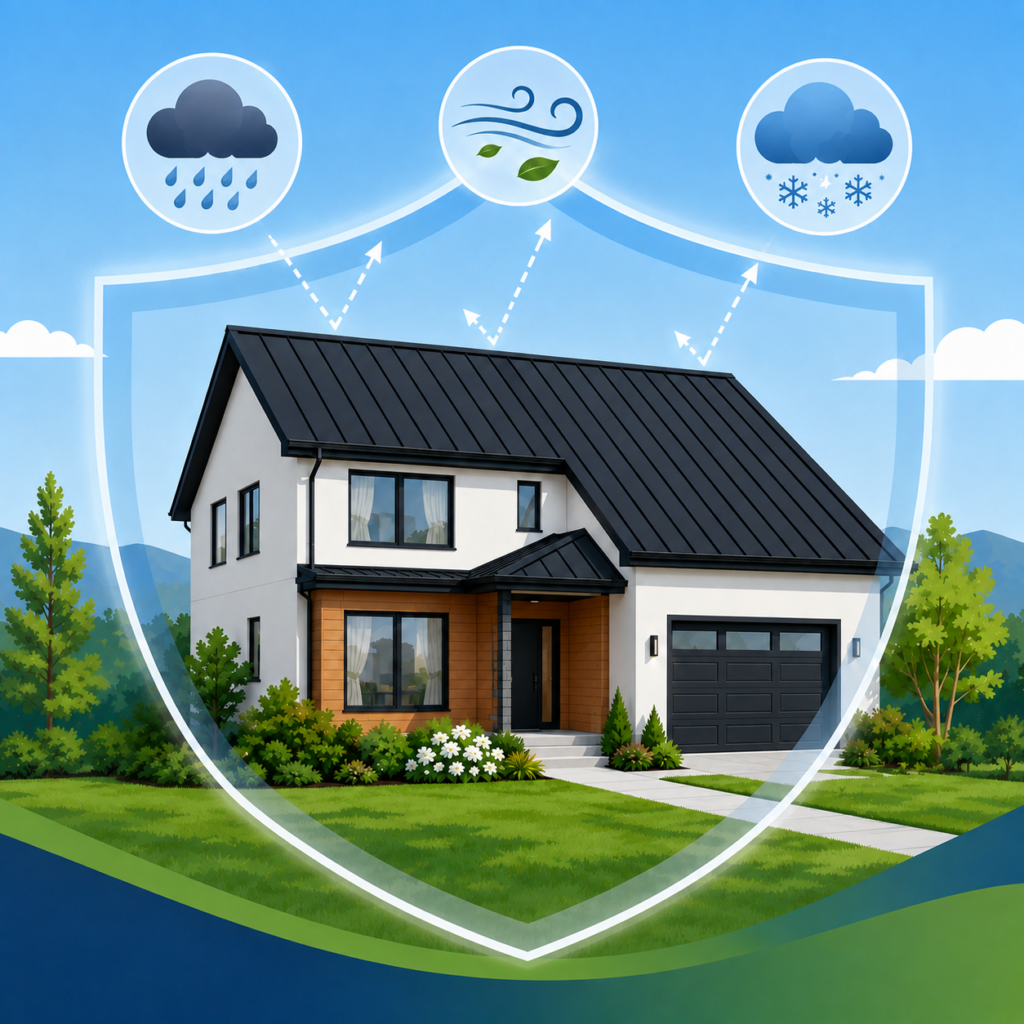
Washington’s weather can shift from a gentle mist to severe seasonal windstorms in a matter of hours. Metal roofs offer incredible:
- High Wind Resistance: Traditional shingles rely on adhesive strips that break down over time, making them easy targets for high winds to peel back. Metal roofs utilize an interlocking panel system secured with heavy-duty fasteners directly to the roof deck, creating a unified shield that resists wind uplift.
- Heavy Snow Performance: Metal handles heavy, wet snow loads beautifully. Its slippery surface encourages snow to shed naturally rather than piling up and putting immense structural weight on your rafters.
- Wildfire Preparedness: Hotter, drier summers mean wildfire smoke and embers are an escalating concern across the Pacific Northwest. Metal roofing carries a Class A fire rating, providing the highest possible exterior defense for your home.

3. Upfront Investment vs. Lifetime Value
Let’s address the elephant in the room: a professional metal roof installation costs more upfront than asphalt shingles. However, looking at the initial price tag alone misses the true math of roof ownership in Washington.
The “Roofing Subscription” vs. The Solution
An asphalt roof in our wet climate typically lasts between 12 and 20 years before requiring a full replacement. If you plan on staying in your home for several decades, you are looking at paying for two, three, or even four asphalt roofs over your lifetime.
A high-quality metal roof is a “one-and-done” solution. Lasting anywhere from 50 to 100 years, it outlives multiple shingle replacements, saving you massive amounts of money on future labor, materials, and tear-off fees.
Year-Round Energy Savings
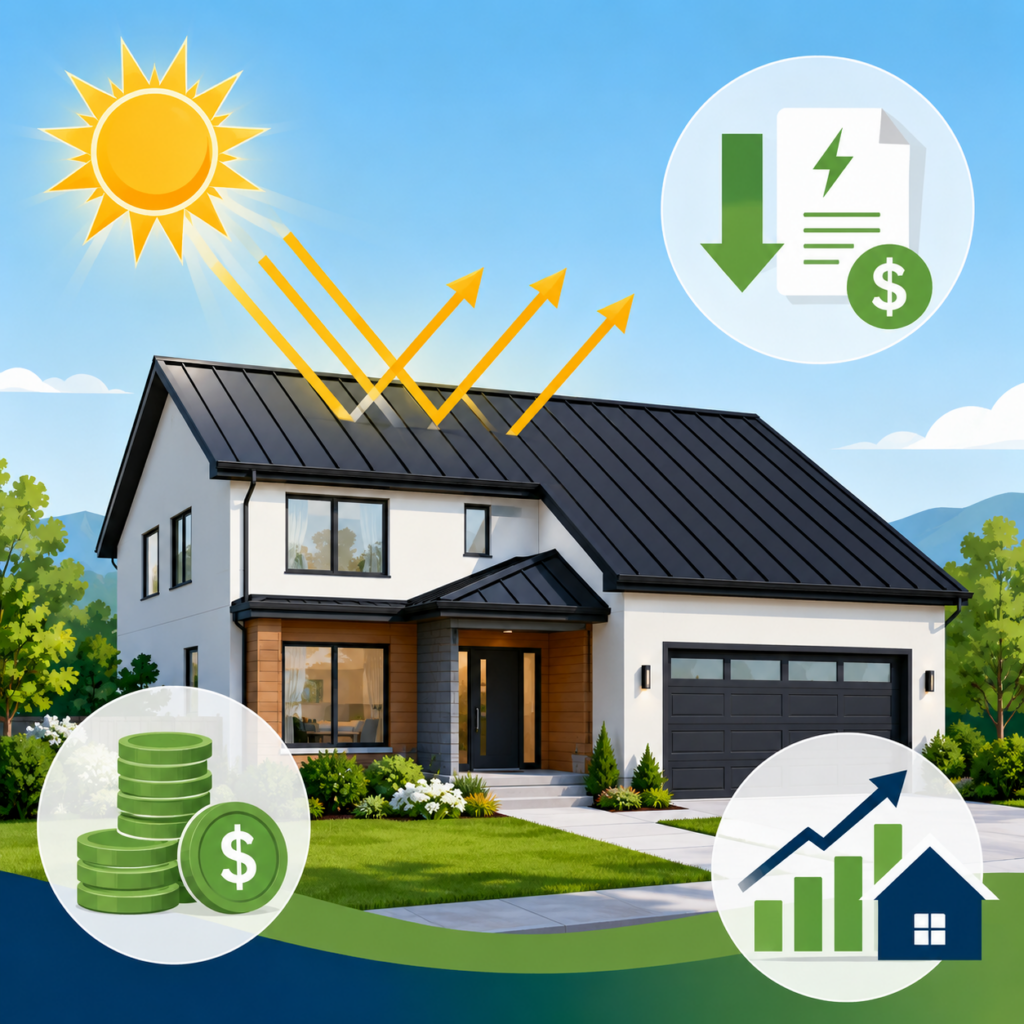
Metal roofs are highly energy-efficient. Instead of absorbing heat like dark asphalt, metal reflects solar radiation away from your home. During our increasingly warm Pacific Northwest summers, this heat reflection keeps your home naturally cooler, significantly dropping your air conditioning costs. In the winter, paired with modern insulation, it acts as a tight thermal envelope to keep your expensive heating indoors.

4. A Greener Choice for the Evergreen State
Washingtonians take pride in environmental stewardship. If sustainability matters to you, traditional asphalt shingles should give you pause. Millions of tons of old shingles are torn off and sent straight to local landfills every single year.
Metal roofing is a pillar of green building because most metal roofing panels are manufactured using a high percentage of recycled aluminum or steel. At the end of its incredibly long lifespan, a metal roof doesn’t head to the dump; it is entirely melted down and repurposed, contributing to a clean, closed-loop lifecycle.
We Do Things Differently at Mountaintop
For most companies, speed is the name of the game. It’s all about getting a crew out there, slapping down materials as fast as humanly possible, getting paid, and moving on to the next house. All the while, customer service and basic communication take a massive back seat. We saw a local market flooded with short-lived products, rushed labor, and misleading warranties, and we decided right then and there to take a completely different route.
At Mountaintop Metal Roofing, we built our business around a simple philosophy: do it once, do it right, and never worry about it again.
Ready to stop fighting the endless battle against moss and rot? Explore our premium metal roofing products or contact Mountaintop Metal Roofing today for a free estimate on a lifetime roofing solution.
Frequently Asked Questions
Is a metal roof too loud during Washington rainstorms?
This is a very common myth, but modern residential metal roofing is not loud. Unlike an old tin barn, a residential metal roof is installed over solid plywood sheathing and a thick sound-deadening underlayment. The sound of heavy rain is muffled to a soft, gentle hum, matching the noise level of any standard asphalt roof.
Will a metal roof attract lightning?
No. While metal conducts electricity, it does not attract it. Lightning naturally seeks the highest path to the ground, which means trees and telephone poles are far higher risks than a residential roof. Furthermore, because metal is non-combustible, it is safer than wood or asphalt if a strike ever did occur.
Can a metal roof handle the salty air near the Puget Sound?
Yes, but the type of metal matters. While steel can experience corrosion over time near salt water, aluminum and copper are highly resistant to sea spray and salt air. If you live in a coastal area or near the Sound, our specialized aluminum roofing products are the gold standard for resisting corrosion.
Does a metal roof make a house hotter in the summer?
The exact opposite is true. Metal roofs reflect the sun’s rays away from your attic, whereas asphalt shingles absorb heat and radiate it downward into your living spaces. A metal roof is an excellent way to lower your home’s cooling load during a summer heatwave.